


Gdańsk is a city of outstanding personalities and events important for the fate of the world. The beginning of World War II, the birth of Solidarity movement, Lech Wałęsa, Gabriel Fahrenheit, Jan Heweliusz - these are just a few of the many examples of the city's rich history.
Gdańsk is a city with over 1,000 years of history. In the Middle Ages, it was one of the most important port cities in Europe. Belonging to the league of Hanseatic cities, it held a key position in the flow of trade and services between the Baltic states and the rest of the Old Continent.
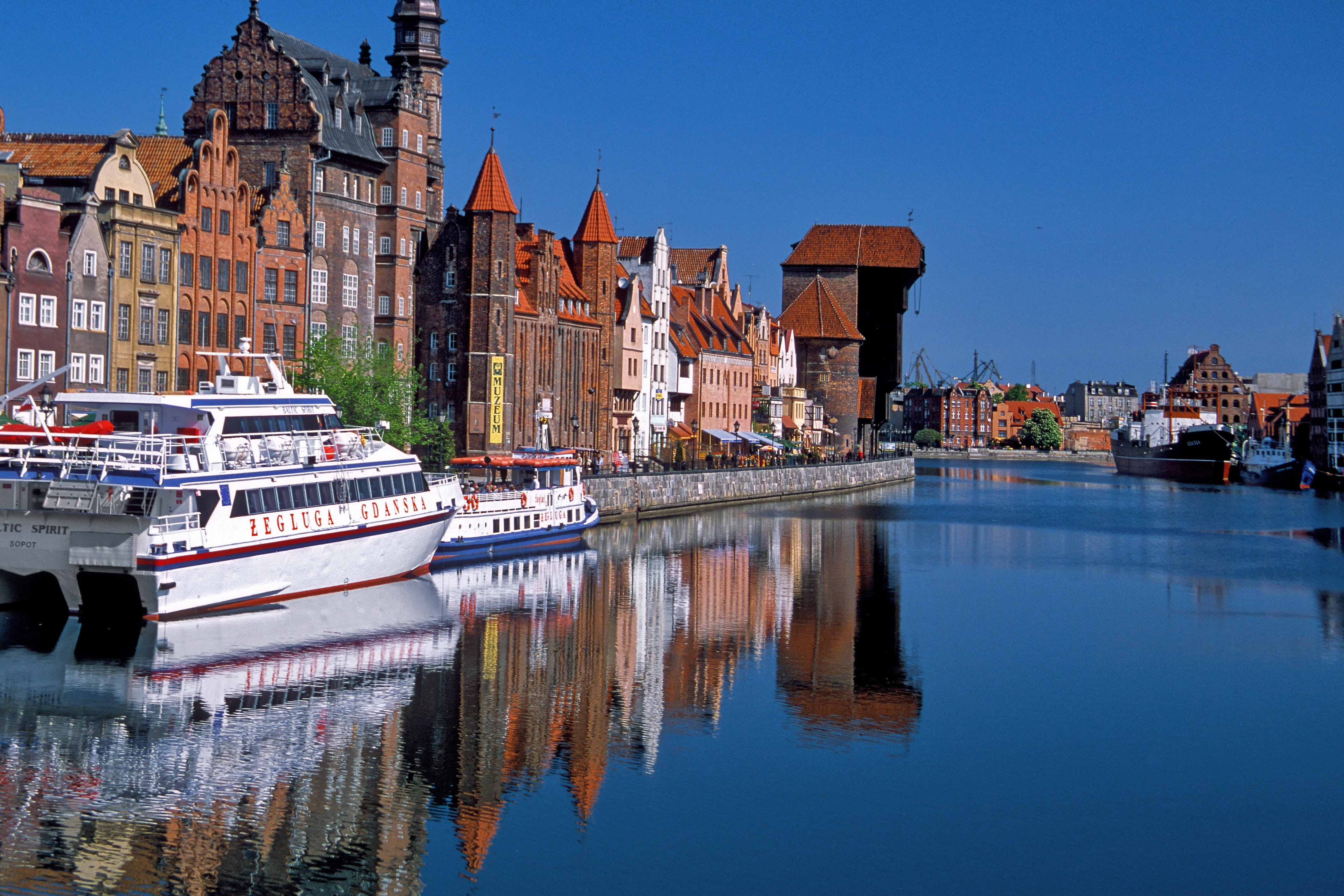
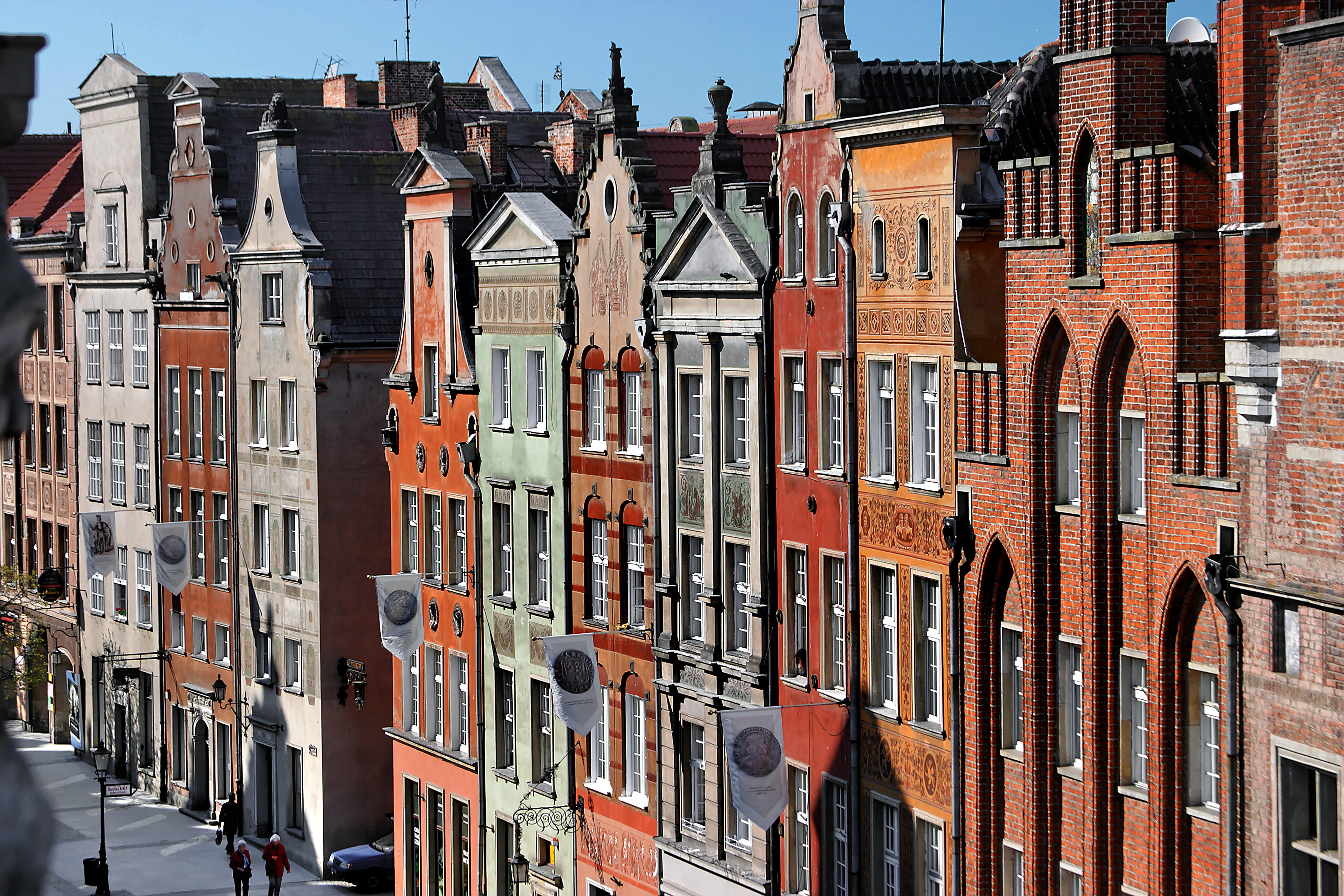
Membership in the Hansa has left its mark, among others: on the architecture of Gdańsk. Dutch brick came to Gdańsk by ships and Gothic buildings were built from it. Many of them, such as St. Mary's Basilica, the Main Town Hall and the Crane, have survived to this day.
For centuries, Gdańsk has been a key brewing center in this part of Europe, including, among others, Pomerania, the Teutonic State, Royal Prussia, the Polish-Lithuanian Commonwealth and the Kingdom of Prussia. The importance of this city was built on hundreds of small, craft breweries, which were united by the influential Brewers' Guild. Beer has been exported from here for centuries, especially the so-called Jope beer, to many European countries, mainly to England.
When talking about the modern history of Gdańsk, we cannot ignore such figures as John Hevelius or Gabriel Fahrenheit. The first of them was a renowned German mathematician, astronomer and brewer. The second was a German physicist and engineer, known primarily as the creator of the mercury thermometer and the author of the famous temperature measurement scale that bears his name. Both were born in Gdańsk.
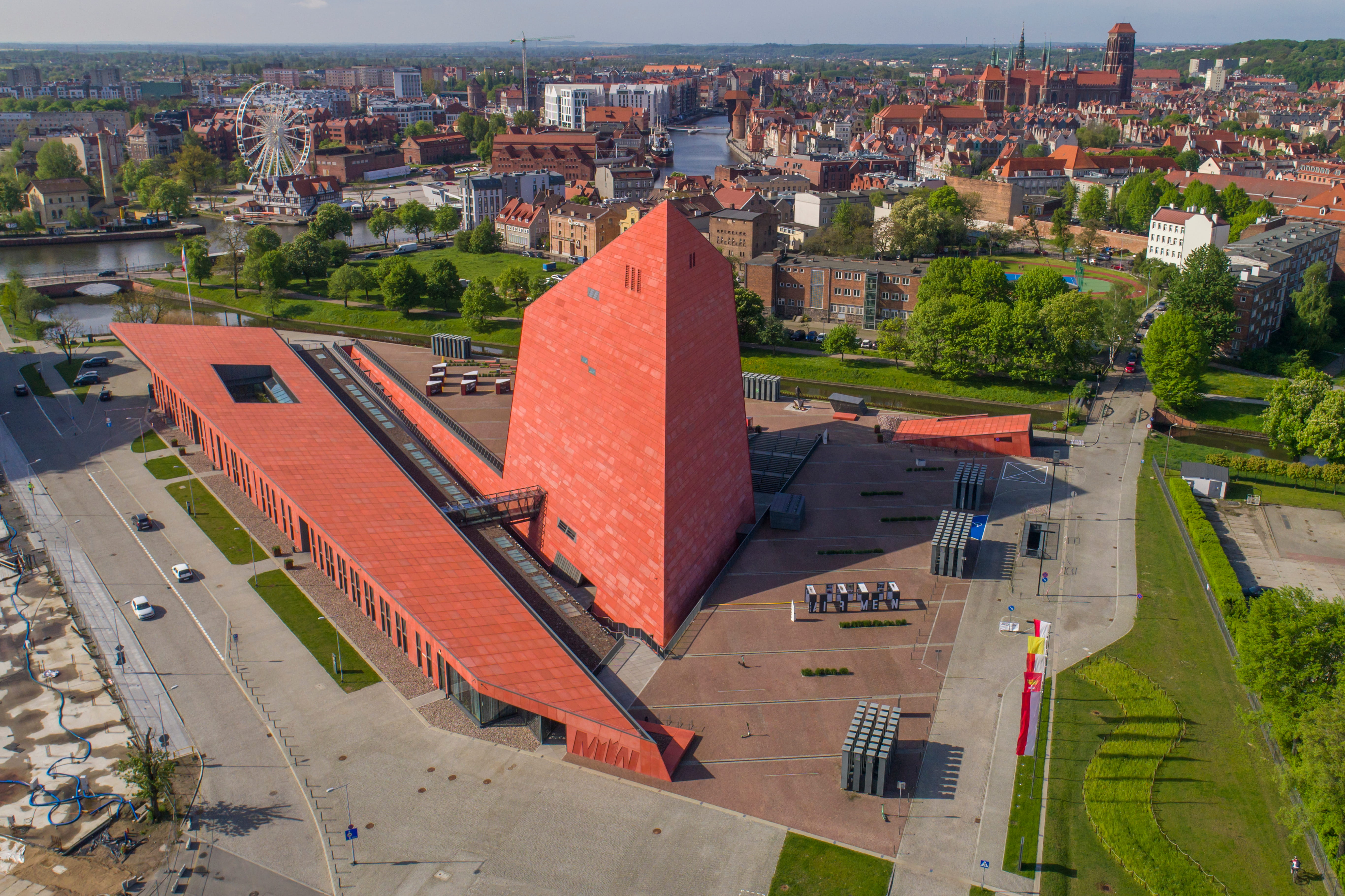
In the 20th century, Gdańsk became the city of important events that influenced the future of the world. It was here, on September 1, 1939, that World War II began, as a result of which the Main City was destroyed in 93%. The main part of its reconstruction took place in the 1950s and 1960s. The events of the war are presented in a comprehensive and objective way by the exhibition of the Museum of the Second World War in Gdańsk.
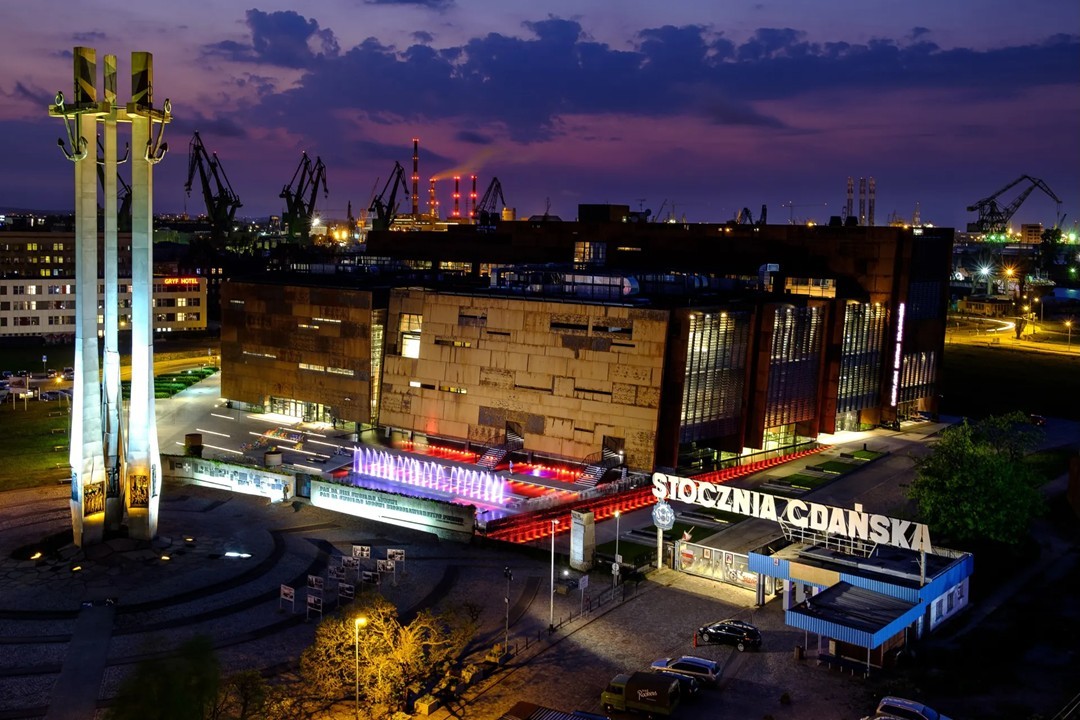
Another important event that changed the fate of the world was the creation of the Independent Self-governing Trade Union "Solidarity" and the strikes that began in Gdańsk in August 1980. They initiated the coup in Europe, which resulted in the overthrow of the communist system in this part of the world. In Poland, the symbolic date of the fall of communism was June 4, 1989 - the first, partially free elections.
Fot. Gdansk Tourism Organization
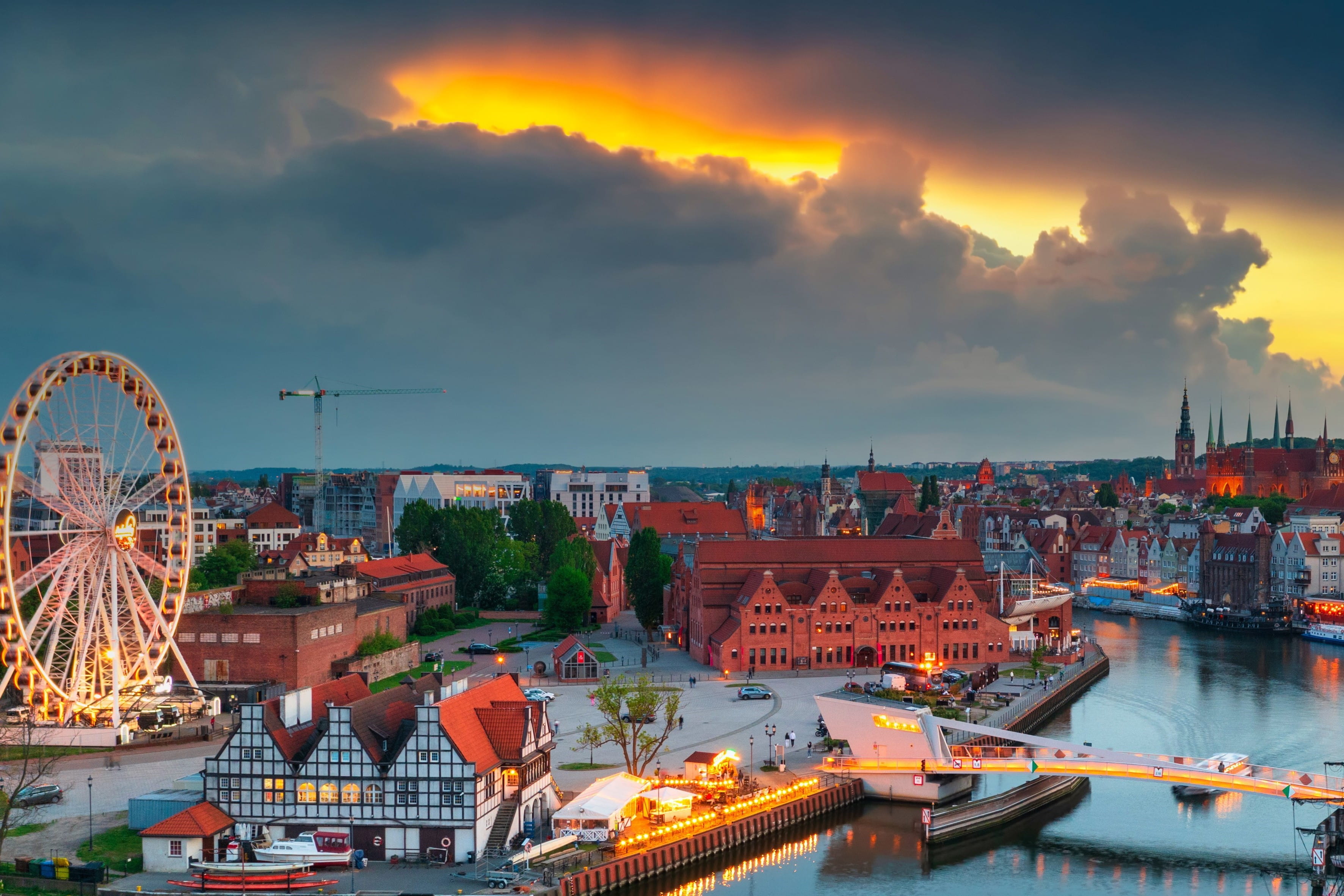
Today, Gdańsk is a city with the population nearing half a million, without doubt one of the most popular tourist and cultural centres, a rapidly developing academic and commercial centre. It is located on the Gdańsk Bay by the southern coast of the Baltic Sea. For centuries, Gdańsk has been playing the key role in the commodity exchange between the Northern and Western Europe and countries of the Central and Eastern Europe.
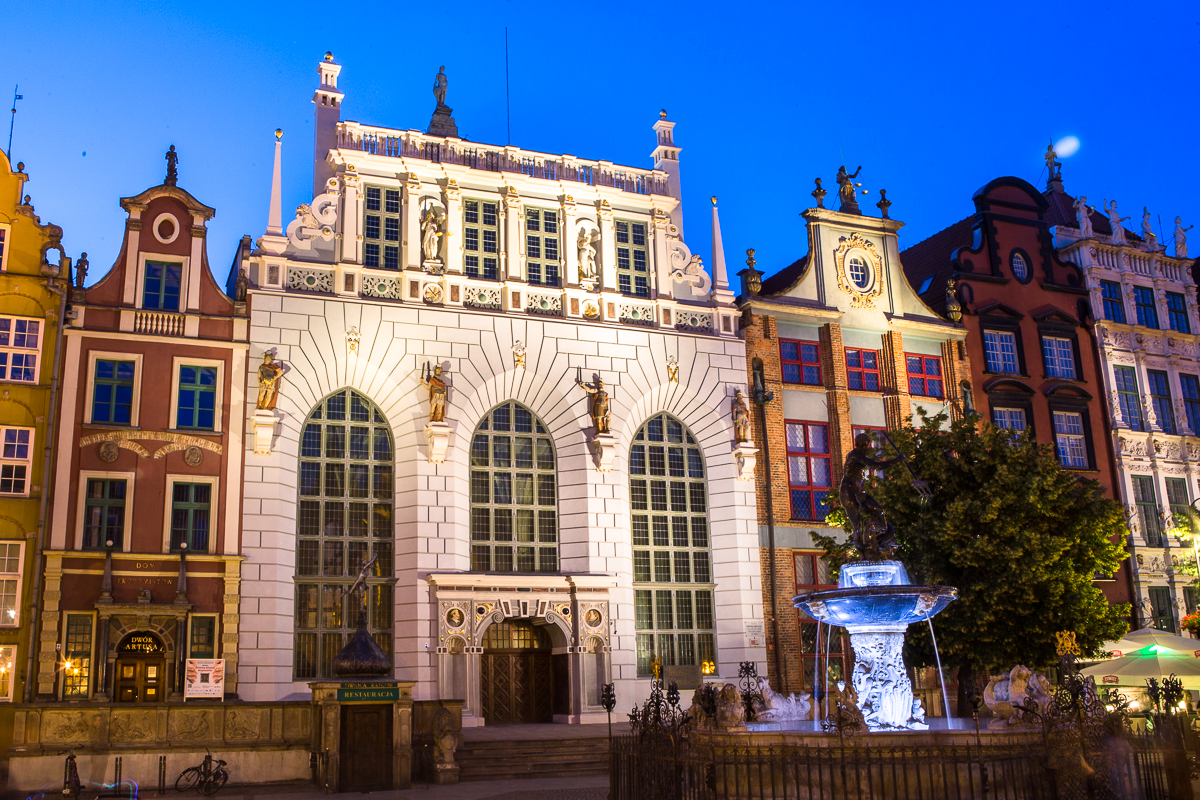
Gdańsk is visited by thousands of tourists each year; it combines cultural traditions of many nations. It is a paradise for enthusiasts of old architecture. One can infinitely walk among beautiful houses and historical monuments representing various architectural styles.
Additionally, shops with a “soul”, charming restaurants and cafes as well as cultural events not encountered anywhere else create a unique atmosphere.
A few theatres, philharmonics, an opera, a summer music scene and multiplexes operate in the city. There are also many areas suitable for active recreation from walks on the beaches to biking, canoeing to extreme tourism. Everyone can find something interesting there irrespectively of the interests and mood.
Additionally, cyclical events that are very popular with the local population and tourists take place in the city, e.g.: the St. Dominic’s Fair, Long Night of Museums or the Baltic Sail.
Gdańsk, one of the most beautiful cities in Poland, is a place one not only has to visit briefly but also do some sightseeing. The Main Town, Old Town, Wrzeszcz, Oliwa, Sobieszewo Island... Each of these places hides stories worth knowing.
Web resources:
https://visitgdansk.com/https://theculturetrip.com/europe/poland/articles/20-must-visit-attractions-in-gdansk-poland/